

We often hear the saying, ‘No two people are the same.’
When families are made up of three, five, or even ten individuals, each with different personalities, values, communication styles, and expectations, disagreements are inevitable.
While occasional arguments and misunderstandings are a normal part of family relationships, they can become a concern when they occur frequently, escalate quickly, or remain unresolved.
If you’re dealing with recurrent conflicts in your family, you might be looking for ways to resolve them and work towards shared connection and happiness. This is where family conflict counselling comes in.
In this blog, we take you through what family counselling is, who it is for, how it helps, and the approaches commonly used by counsellors. We also explore various conflict resolution and management skills that you can build through family conflict counselling.
TYHO provides in-person and online therapy in Singapore. Our platform connects clients to vetted and experienced Psychotherapists, Psychologists, and Counsellors in Singapore. We refer to all our mental health professionals collectively as "Therapists", given the overlap in their scopes of practice. A majority of our Therapists are members of recognised bodies such as the Singapore Association for Counselling (SAC) and the Singapore Psychological Society (SPS). If you'd like help with selecting someone suitable, WhatsApp us at +65 9831 0005 or email us at [email protected].

Family conflicts rarely stem from a single incident. It’s not always as simple as, ‘Oh, I did this yesterday. That’s why my daughter is cross with me.’ More often, they may build up over time due to factors such as:
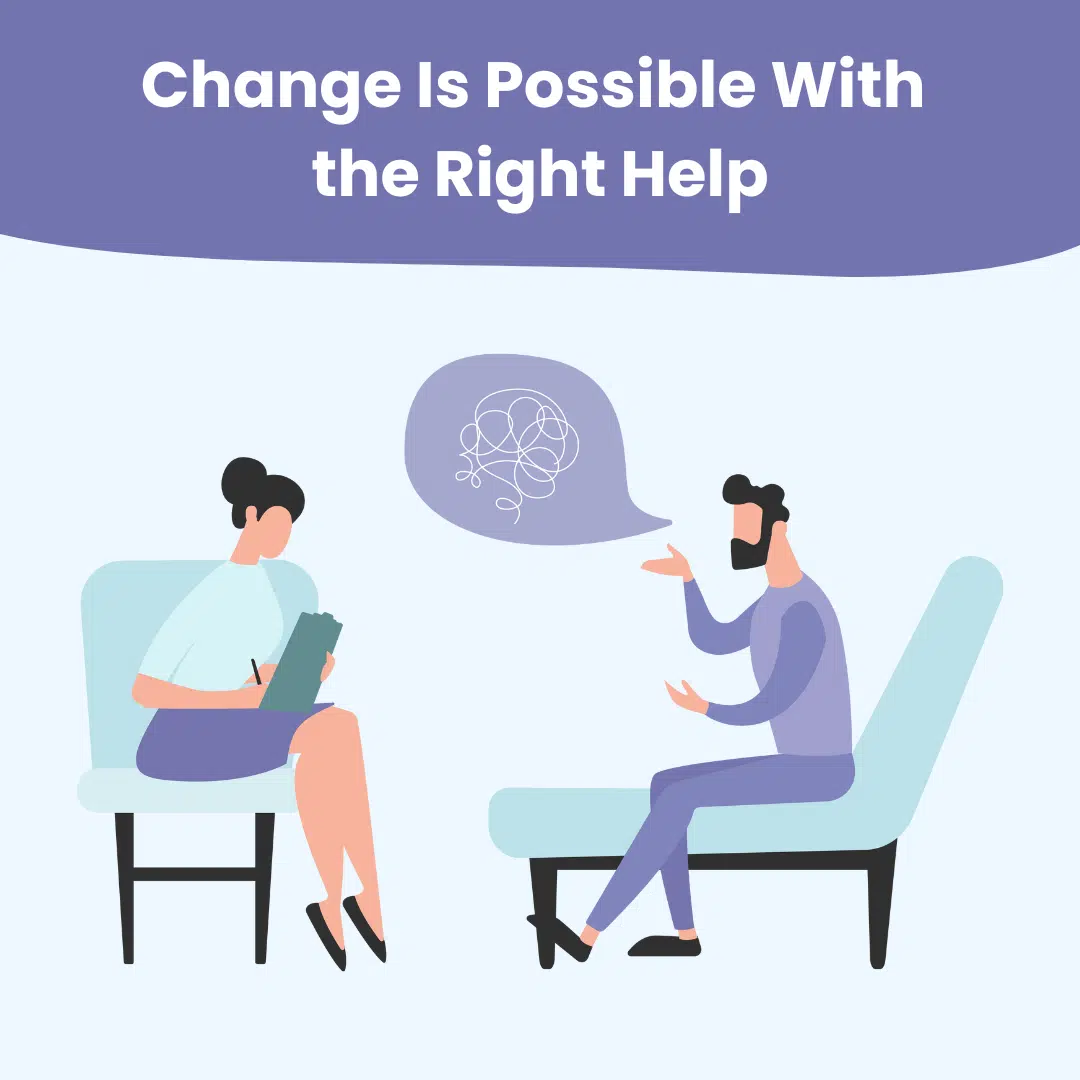
Family conflict counselling is a type of family therapy that focuses on exploring relationship dynamics, resolving disputes, and improving communication among family members.
At its core, family counselling is essentially a type of relationship counselling. Family counsellors facilitate a safe and neutral space where family members can share concerns, feel heard, listen to one another and work towards healthier relationships.
It may be helpful for issues between:
Not everyone in a family may need to attend every family therapy session. In some cases, a few key members may begin therapy, with others joining later if appropriate. In other cases, where conflicts involve only a few specific individuals, only those individuals may attend sessions.
In Singapore, family conflicts can also be affected by cultural expectations and beliefs around elder respect, filial piety, family hierarchies, lack of emotional vulnerability, and blurred personal boundaries.
Without healthy conflict resolution strategies, families may find themselves stuck in exhausting and draining patterns that often place long-term strain on relationships.
While family conflict counselling mainly deals with disputes within families, it doesn’t simply aim to ‘fix problems’. Instead, counsellors work with you to understand your specific family dynamics, bring out underlying patterns and causes behind recurrent issues, and move towards long-term resolutions that cater to everyone involved.
Having said that, family therapy is not just about conflict resolution after an issue arises. Counsellors also equip you with proactive skills and tools to prevent and manage conflicts better in the future.
Before we look at the exact tools and skills that you can build through family counselling, here are some high-level benefits it offers:
The following sections explore the two broad types of support family conflict counselling can provide, ie, reactive and proactive support:
Families may see a counsellor to address specific ongoing conflicts as well as unresolved emotional hurt from past experiences.
Counsellors use evidence-based tools and techniques, such as structured conversations and problem-solving frameworks, to address them in a safe and structured way. Let’s take a closer look at them below:
In counselling sessions, difficult conversations are intentionally slowed down and guided by the family therapist.
This helps prevent interruptions, defensiveness, blame-shifting, and anger outbursts.
A structured conversation may involve:
For example, instead of saying: ‘You never listen to me and always dismiss my feelings.’
Your family counsellor may guide you to voice this in a way that feels less about the other person and more about you: ‘When my concerns are brushed aside, I feel unheard and frustrated.’
Structure of this kind allows family members to feel safer expressing emotions and reduces the likelihood of arguments escalating during sessions. Families may gradually learn to apply such effective communication skills outside therapy as well.
Once emotions and surface-level issues are acknowledged, counsellors guide families through practical problem-solving steps. Such frameworks encourage healthy discussions and finding solutions that work for everyone involved.
During family conflict counselling in Singapore, this may involve:
Having looked at the broad process of conflict resolution, let’s explore two specific problem-solving techniques used in family therapy sessions:
Circular questioning is a technique that helps families understand how each person’s actions and reactions influence one another, consider other people’s points of view and become more open to alternatives.
To understand how circular questioning works, let’s consider a family experiencing frequent conflicts around caregiving for an elderly parent. Instead of asking linear, direct questions, the family therapist may ask circular questions, such as:
As family members reflect on and answer these questions, they may begin to see how conflicts often happen in cycles. For example, one person may be taking on more tasks out of worry, while another withdraws due to feeling criticised and undervalued.
Following up on such patterns, the therapist may ask:
Rather than deciding who is right or wrong, techniques like circular questioning shift the focus to changing the pattern that keeps the conflict going. They encourage mutual understanding, empathy and perspective shifts.
Many counsellors in Singapore encourage clients to focus on the impact of their actions rather than what they intended to do. Such distinction between intent and impact is essential to understanding how one’s actions can affect others, even if harm was not intentional.
Awareness and effort form the foundation of repair work. When you let go of defensiveness, open yourself to reconnection, and put in the effort for your relationship, you’re already halfway there. And family therapy is a safe and structured space that helps you get there.

Apart from conflict resolution, one of the biggest benefits of family conflict counselling is learning skills that prevent conflicts from escalating in the first place. These may include:
Relationship conflicts often get out of hand when emotions start running high, and you don’t know how to regulate them in healthy ways.
Through family conflict counselling, you and your family members may learn to recognise triggers and emotional cues, eg, rising anger and anxiety, before they spiral into full-blown conflicts.
In addition to emotional cues, family therapists also help you notice physical signs of overwhelm, such as a racing heartbeat, excessive sweating, lightheadedness, etc.
Once you have learnt to identify triggers and warning signs, your Singapore therapist may equip you with practical grounding tools to regulate your emotions and stay in control of the situation.
You may learn when to take short breaks from conversations and how to return to them calmly, rather than avoiding them completely or letting your emotions take over and continuing to argue.
Research shows that even micro-breaks, such as five-second ones , can help diffuse a heated situation and shift your perspective.
Many a time, family conflicts stem from disrespect or disregard for personal boundaries. This can include boundaries around personal space, privacy, and roles within the family.
In family conflict counselling, you can learn to identify and establish your individual needs and limits and understand the difference between offering support and becoming controlling or condescending. Another important skill you can build through therapy is communicating your boundaries respectfully without guilt, shame, fear or defensiveness.
In a situation where elderly parents try to influence their daughter’s decisions about having children, a family counsellor can help the daughter identify what boundaries she wishes to set and convey them assertively yet respectfully.
In the heat of the moment, we often get stuck in our own emotions and place all the blame on the other person. We may thus end up making assumptions and engaging in all-or-nothing thinking, such as ‘My brother doesn’t care about me at all’, ‘My mom hates me’, and ‘My children always do this!’.
As a result, it can be hard to build empathy and think objectively. This is another area where family conflict counselling can help.
During sessions, family therapists in Singapore may guide you in:
Remember, being empathetic doesn’t mean simply agreeing with everything the other person says or sacrificing your own needs. Instead, it involves developing emotional awareness and holding respectful boundaries for each other while also voicing our side of things.

Given the amount of cultural and societal stigma around therapy in Singapore, not all family members may be open to the idea of family conflict counselling. For many of us, convincing elderly family members, in particular, can be an ordeal.
If you’re open to family therapy but others are not on the same page, try the tips below to encourage them:
Consider sharing this quick guide to counselling in Singapore , which discusses the different types of counselling, how they work, and what to expect in sessions.
However, if they are still apprehensive about starting family counselling, you can consider individual counselling. Individual counsellors can support you on your personal journey with family conflicts by helping you:
Remember that there is no ‘correct’ way to address family conflicts. For some families, family conflict counselling is the most effective approach. For others, individual counselling is a better first step and sometimes a long-term source of support.
What matters most is reaching out for help when you need it and choosing the form of support that feels right for you and your family.
Here’s a quick recap of the key points we covered on family conflicts and how family conflict counselling can help:
Family conflicts are common, but unresolved patterns can strain relationships over time
Family conflict counselling helps families understand dynamics, improve communication, and resolve disputes safely
Counselling offers both reactive support (conflict resolution) and proactive skills (conflict management)
Evidence-based techniques like structured conversations and circular questioning help shift blame into understanding
Individual counselling can still offer meaningful support when family members are unwilling to participate
Seeking support early can help prevent long-term issues
Click on the “Show all counsellors” button below to get started with counselling on TYHO. 💜
If you are in crisis, or another person may be in danger, do not use this site. Please refer to these resources instead.




Mon - Fri (excluding public holidays)
9.30 AM - 6 PM (+08:00 GMT)
OUE Downtown 2, 6 Shenton Way, #12-11B, Singapore 068809
© 2026 Talk Your Heart Out Pte Ltd
Need Help? Chat with us